The Basic ERP model, in essence, is retrospective. They are built with a simple infrastructure and basic ERP core functions to record transactions, and implement control data. Even with frequently updated dashboards, basic ERP systems are not trained to explain what has happened in the past and predict the future, if management does not make improvements.
Contrast with ERP using AI, they can transforms history of data from a passive database into a proactive intelligent assistant. By shifting the focus from historical record-keeping to forward-looking strategy, these intelligent platforms empower leaders to make data-driven decisions that are preventive.
Without machine learning, organizations face several critical limitations:
Limited Predictive Power : Basic ERP systems excellent at flagging issues after they happen (e.g., an inventory alert) but lack the reasoning to prescribe solutions (e.g., which supplier to order from and how much).
Data & Architecture Gaps: Basic ERP are often built on rigid architectures. Without AI you cannot train the historical data for anticipate manipulated data failures, even predict cash flow shortfalls.
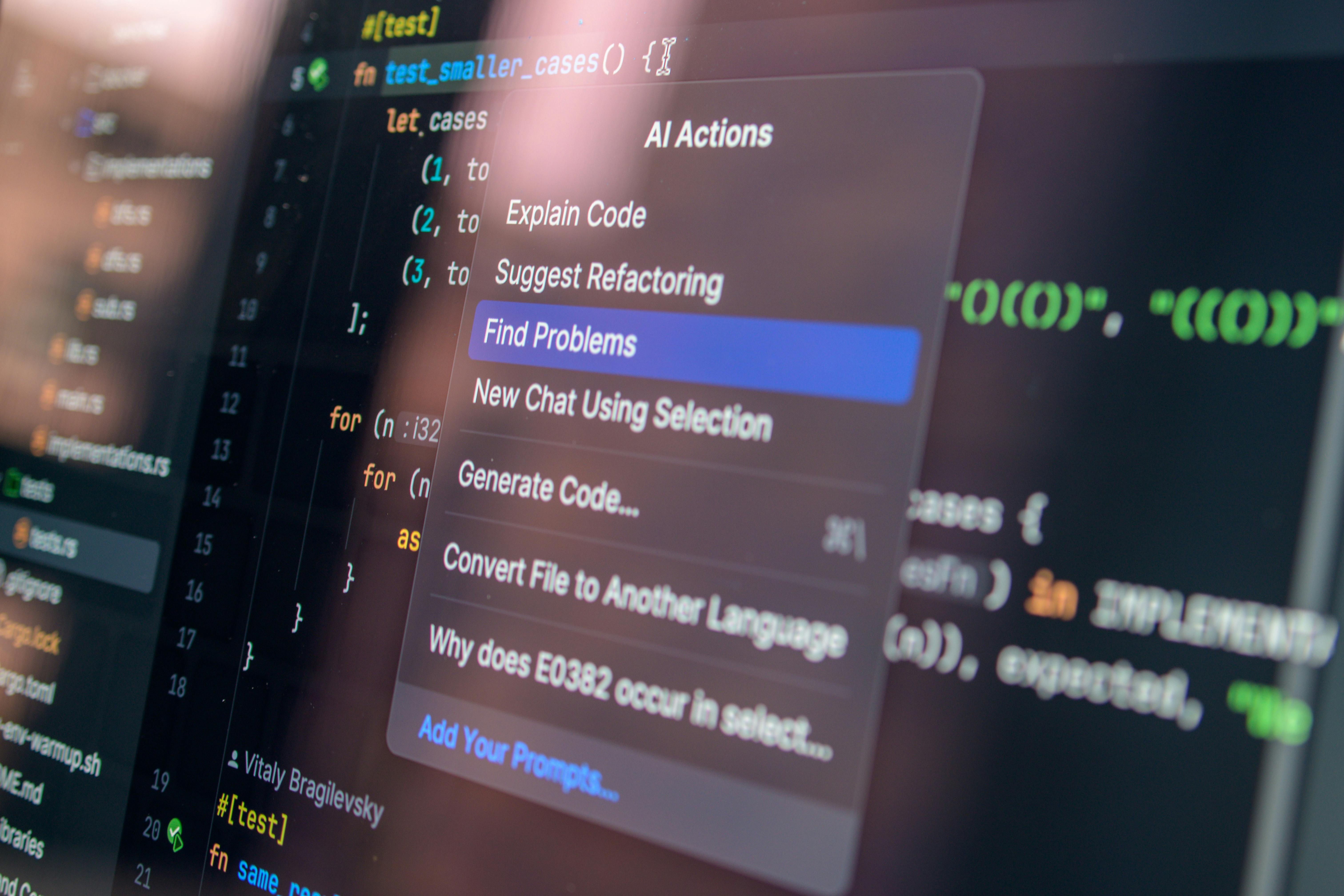
In ERP context, the integration of AI through conversational interfaces can allow non-technical users to extract complex insights through simple questions. Query on AI will effectively train the complexity of the data, into insights that are simple to understand.
One of the contributors of ERPNext build NextAssist as Chat Assistant for Frappe. You can also used Frappe Assistant Core to connect ERPNext’s functionality to any large language model.
From the explanation above we agree that tools like AI-driven ERP system is a strategic necessity for long-term business survival. Contact us to discuss implementing ERP using AI. Lets start to achieved level of efficiency that basic methods simply cannot match.